Saudi Arabia could become an AI focal point
A state-backed AI21 project hopes to rival China and the United States

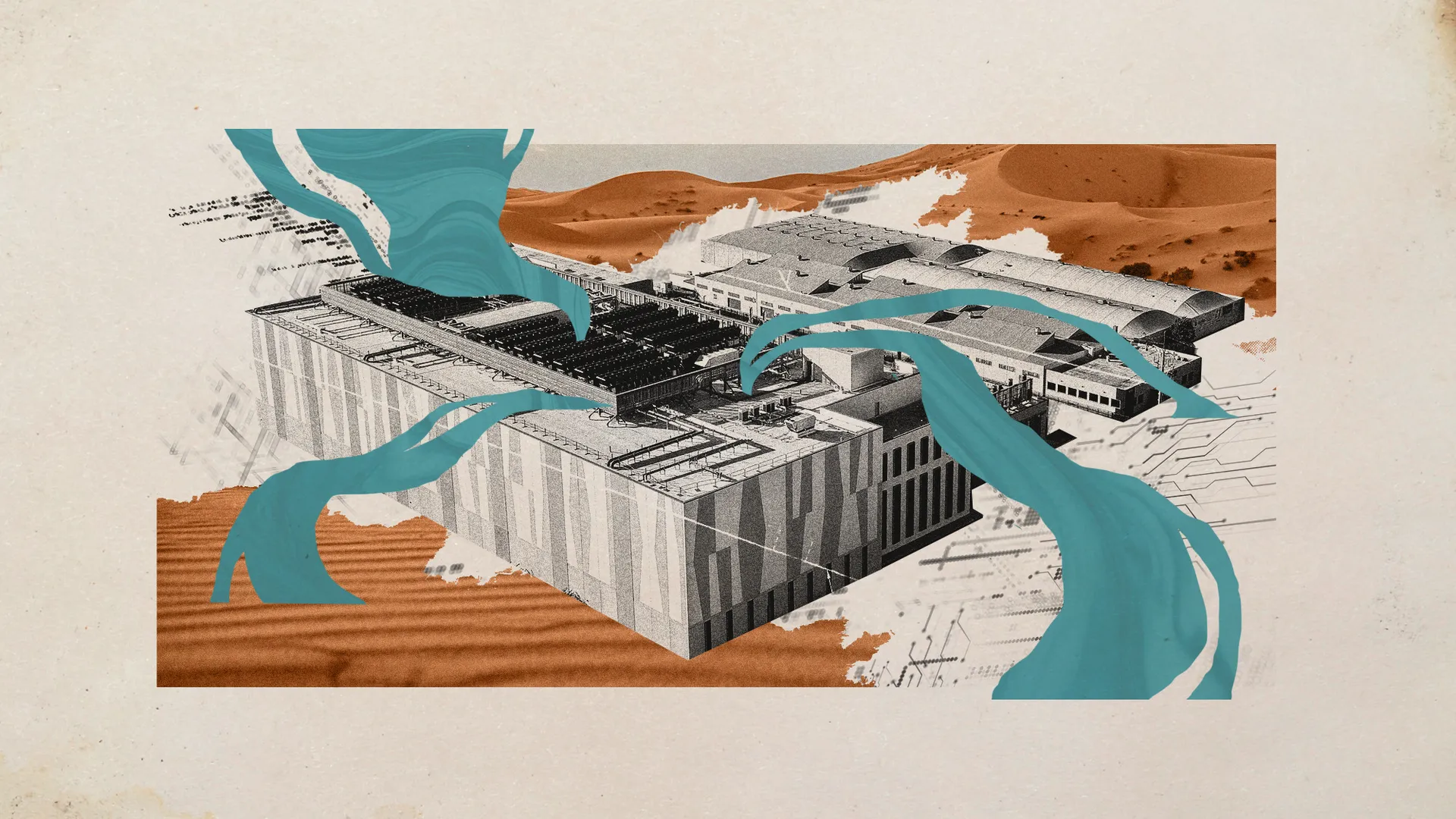
China and the United States are widely seen as the top two countries making artificial intelligence advancements, but there’s another nation looking to get in the game: Saudi Arabia. The wealth of Saudi businessmen is attracting outside investors to the Gulf kingdom as it tries to entice American tech companies to expand AI operations. But many are skeptical of what Saudi Arabia’s AI push could mean for the tech world and beyond.
How is Saudi Arabia making a play for AI?
Saudi officials have been trying to woo American tech companies to the desert, with “executives from OpenAI, Google, Qualcomm, Intel and Oracle” all set to meet at an upcoming Middle Eastern investment summit, said the Times. Many of these executives “will be keen to seek out the opportunities that change tends to bring,” said Bloomberg, and will look to “divine the kingdom’s plans for the more than $200 billion it earns each year from oil exports.” The country is additionally building several AI data centers that may further entice U.S. brands.
Article continues belowThe Week
Escape your echo chamber. Get the facts behind the news, plus analysis from multiple perspectives.

Sign up for The Week's Free Newsletters
From our morning news briefing to a weekly Good News Newsletter, get the best of The Week delivered directly to your inbox.
From our morning news briefing to a weekly Good News Newsletter, get the best of The Week delivered directly to your inbox.
Riyadh is also looking to strengthen its own AI development through Humain, a state-owned AI company backed by the Saudi sovereign wealth fund. The company believes it can eventually be the “third-largest AI provider in the world, behind the United States and China,” Humain CEO Tareq Amin said to CNBC. Humain is looking toward U.S. moguls in an effort to boost itself; Blackstone and BlackRock, two of the largest investment companies on Wall Street, are “already vying to invest billions of dollars with the firm,” said Bloomberg.
What does this mean for the tech world?
Saudi Arabia is well on its way to building this AI groundwork, as Humain “offers AI services and products, including data centers, AI infrastructure, cloud capabilities and advanced AI models,” and is also developing a computer operating system that “enables users to speak to a computer to tell it to perform tasks,” said Reuters. But not everyone is happy about Saudi Arabia’s rapid development of AI, largely due to the country’s various human rights abuse allegations and treatment of women.
Other experts don’t believe the hype around Saudi tech. Saudi Arabia has a notably “shallow pool of AI expertise,” and many “warn of a global glut in computing capacity as governments and companies race to build data centers faster than they can profit from them,” said the Times. Crown Prince bin Salman has said that Humain’s goal is to handle 6% of the global AI workload — but this could be a stretch. Tech experts “can never say never,” John Dinsdale, a senior analyst for Synergy, said to the Times. “But I can’t imagine any circumstances that would enable Saudi Arabia to achieve 6% of the world’s AI compute capacity.”
