Climate scientists throw cold water on 'Arctic methane bomb' report
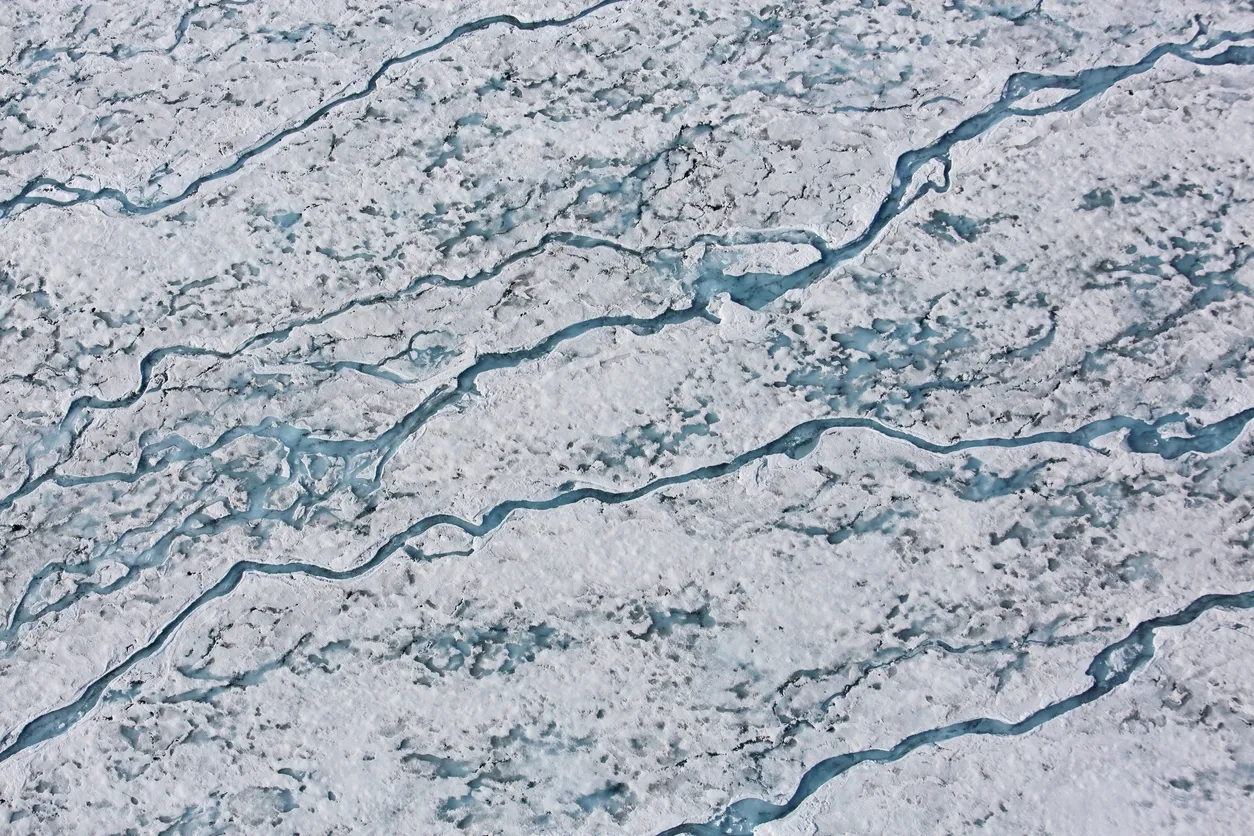
A research team made a worrisome discovery off the Siberian coast, The Guardian reports. The scientists say they believe they are first to uncover observational evidence that frozen methane deposits in the Arctic Ocean have started to be released after determining that methane levels at the ocean's surface were four to eight times higher than expected.
The deposits are considered "sleeping giants of the carbon cycle" and could theoretically expedite climate change, given that methane has a warming effect 80 times stronger than carbon dioxide over a 20 year period, The Guardian notes. But while the discovery sounds alarming, it's also been met with skepticism from some climate scientists.
Gavin Schmidt, a climatologist and director of the NASA Goddard Institute for Space Studies, argued there is no evidence Arctic methane had a "big effect" even in earlier periods when the region was warmer than it is now.
The Week
Escape your echo chamber. Get the facts behind the news, plus analysis from multiple perspectives.
Sign up for The Week's Free Newsletters
From our morning news briefing to a weekly Good News Newsletter, get the best of The Week delivered directly to your inbox.
The scientists who made the discovery, meanwhile, have acknowledged their work is preliminary, and said the scale of methane releases will not be confirmed until they return and analyze the data. Either way, "there is unlikely to be any major" climate effect "at this moment," Swedish scientist Örjan Gustafsson, told The Guardian from the research vessel. But he did maintain his stance that "the process has now been triggered." Read more at The Guardian.
A free daily email with the biggest news stories of the day – and the best features from TheWeek.com
Tim is a staff writer at The Week and has contributed to Bedford and Bowery and The New York Transatlantic. He is a graduate of Occidental College and NYU's journalism school. Tim enjoys writing about baseball, Europe, and extinct megafauna. He lives in New York City.
-
Looming drone ban has farmers and farm-state Republicans anxiousIN THE SPOTLIGHT As congressional China-hawks work to limit commercial drone sales from Beijing, a growing number of conservative lawmakers are sounding an agricultural alarm
-
Mind-expanding podcasts you may have missed this fallThe Week Recommends True crime, a book club and a therapeutic outlet led this season’s best podcasts
-
‘It’s critical that Congress get involved’Instant Opinion Opinion, comment and editorials of the day
-
Death toll from Southeast Asia storms tops 1,000speed read Catastrophic floods and landslides have struck Sri Lanka, Indonesia, Thailand and Malaysia
-
Can for-profit geoengineering put a pause on climate change?In the Spotlight Stardust Solutions wants to dim the sun. Scientists are worried.
-
How will climate change affect the UK?The Explainer Met Office projections show the UK getting substantially warmer and wetter – with more extreme weather events
-
Can the UK do more on climate change?Today's Big Question Labour has shown leadership in the face of fraying international consensus, but must show the public their green mission is ‘a net benefit, not a net cost’
-
Did Cop30 fulfil its promise to Indigenous Brazilians?Today’s Big Question Brazilian president approves 10 new protected territories, following ‘unprecedented’ Indigenous presence at conference, both as delegates and protesters
-
Can the world adapt to climate change?Today's Big Question As the world gets hotter, COP30 leaders consider resilience efforts
-
Taps could run dry in drought-stricken TehranUnder the Radar President warns that unless rationing eases water crisis, citizens may have to evacuate the capital
-
The future of the Paris AgreementThe Explainer UN secretary general warns it is ‘inevitable’ the world will overshoot 1.5C target, but there is still time to change course