NASA’s lunar rocket is surrounded by safety concerns
The agency hopes to launch a new mission to the moon in the coming months

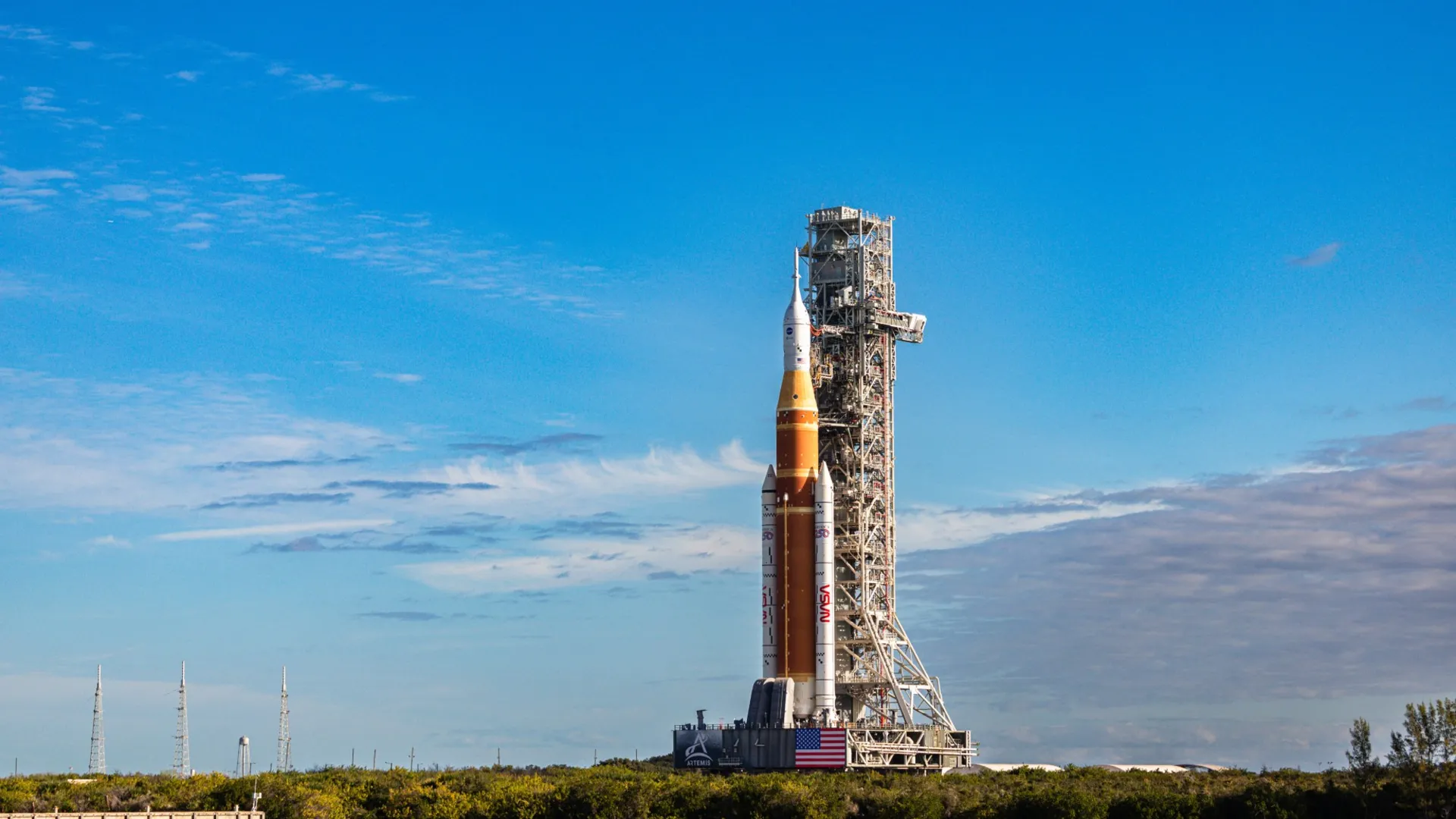
NASA is nearing the final preparations for its first crewed moon mission since the Apollo era, but the mode of transportation has some experts worried. The agency’s Artemis II undertaking, which will launch astronauts on a flyby of the moon, is set to take off in the coming months aboard the Orion spacecraft. Yet concerns over a key element of the vehicle have led to calls to delay the mission.
What are the primary concerns?
NASA hired an independent agency to investigate why the shield was damaged. The report was largely redacted but concluded that the shield became charred in large pieces, a phenomenon it was “not designed nor was it expected” to protect the spacecraft from. Using this investigation, NASA “identified the technical cause of unexpected char loss across the Artemis I Orion spacecraft,” the agency said in a press release.
Article continues belowThe Week
Escape your echo chamber. Get the facts behind the news, plus analysis from multiple perspectives.

Sign up for The Week's Free Newsletters
From our morning news briefing to a weekly Good News Newsletter, get the best of The Week delivered directly to your inbox.
From our morning news briefing to a weekly Good News Newsletter, get the best of The Week delivered directly to your inbox.
Despite these findings, NASA plans to forge ahead with Artemis II using the same coating. Instead of “making major material changes to the heat shield itself after the fact,” NASA “opted to adjust the Artemis II mission’s flight path instead, to ensure a gentler reentry,” said Futurism. This has some experts concerned. NASA has a “deviant heat shield,” Dr. Danny Olivas, a former NASA astronaut who served on the independent review board, said to CNN. There’s “no doubt about it: This is not the shield that NASA would want to give its astronauts.”
What next?
The Artemis II flight will mark a major moment for NASA, as it will be the “first time humans have traveled beyond low Earth orbit in more than 50 years,” said ABC News. But unlike the later Apollo missions, Artemis II will not land on the moon. It will be a test flight around the lunar body ahead of Artemis III, which “aims to someday land astronauts near the moon’s South Pole, a region never explored by humans.”
Ahead of the planned mission, NASA has “full confidence” in Orion’s heat shield, NASA Administrator Jared Isaacman said to reporters. The agency trusts the Orion spacecraft and its heat shield, “grounded in rigorous analysis and the work of exceptional engineers who followed the data throughout the process.” But this has not stopped others from voicing their concerns.
NASA made a “huge mistake with the approach to manufacturing the heat shield, as I pointed out since the return of the first Artemis I Orion capsule nearly a year and a half ago,” Dr. Ed Pope, an expert on shield technology, said on LinkedIn after the investigation. It will “now take too long, cost too much and cause too great of a delay if they fix it. Enter the bureaucrats and politicians to make the final call. Expediency won over safety and good materials science and engineering. Sad day for NASA.”
