Dark energy data suggest Einstein was right
Albert Einstein's 1915 theory of general relativity has been proven correct, according to data collected by the Dark Energy Spectroscopic Instrument


What happened
An international consortium of scientists studying dark energy said Tuesday their three-dimensional map of the universe over 11 billion years suggested the cosmos wasn't steadily expanding, but acting more like Albert Einstein predicted in his 1915 general theory of relativity.
Who said what
Cosmologists since 1998 have theorized that a mysterious invisible force dubbed dark energy was pushing the universe apart at an ever-faster rate. Scientists gathering and studying data from the Dark Energy Spectroscopic Instrument (DESI) at Kitt Peak National Observatory in Arizona found it "may not be an unchangeable force," Reuters said.
"Dark energy seems to be dynamical and weakening," said astrophysicist Mustapha Ishak-Boushaki of the University of Texas at Dallas, a leader of the DESI working group. The "strong hint" that the universe need not be "accelerating forever in its expansion" is the "most important finding since the discovery of cosmic acceleration in 1998." Scientists still don't understand dark energy — believed to make up 68% of the universe, versus just 5% for everything visible and tangle — but the DESI findings that it's "changing or weakening over time" would "upend astronomers' standard cosmological model," The Associated Press said.
The Week
Escape your echo chamber. Get the facts behind the news, plus analysis from multiple perspectives.

Sign up for The Week's Free Newsletters
From our morning news briefing to a weekly Good News Newsletter, get the best of The Week delivered directly to your inbox.
From our morning news briefing to a weekly Good News Newsletter, get the best of The Week delivered directly to your inbox.
What next?
The "new findings aren't definitive," and astronomers need "more data to overturn a theory that seemed to fit together so well" — but "there's a lot riding on the answer," the AP said. If dark energy is constant, the universe will continue to expand, "forever getting colder and emptier," and if it's strengthening, "the universe will expand so speedily that it'll destroy itself in what astronomers call the Big Rip." That wouldn't happen "for billions of years," astrophysicist David Spergel said to the AP. "But we'd like to know about it."

-
 The UK’s supposed Christian revival
The Explainer Research has shown that claims of increased church attendance, particularly among young people, ‘may be misleading’
-
 How long can Keir Starmer last as Labour leader?
Today's Big Question Pathway to a coup ‘still unclear’ even as potential challengers begin manoeuvring into position
-
 Child-free train carriages: has push for adults-only spaces gone too far?
Talking Point Under-12s ban on premium commuter train carriages in France sparks backlash across the political divide


-
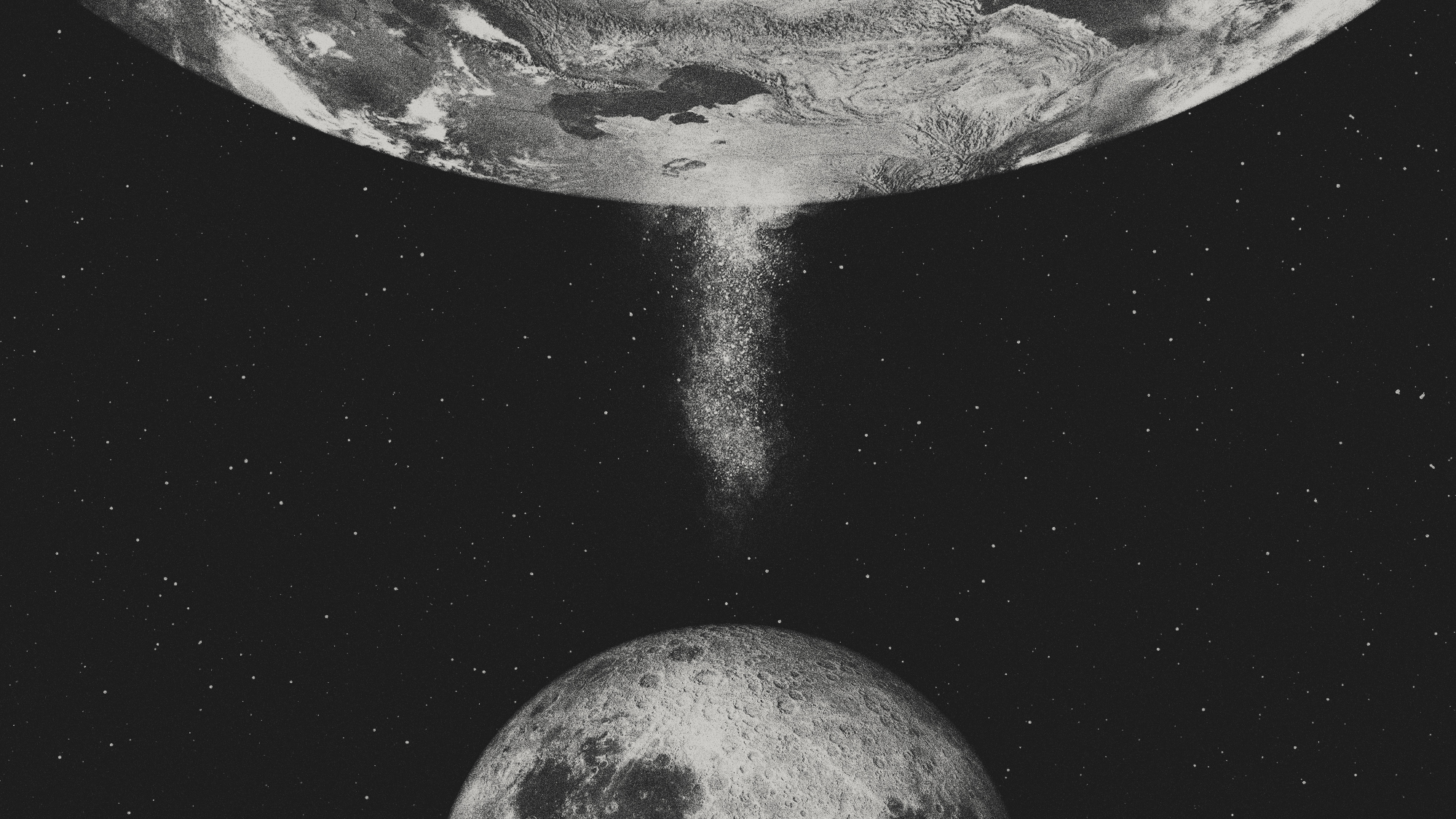 Moon dust has earthly elements thanks to a magnetic bridge
Under the radar The substances could help supply a lunar base
-
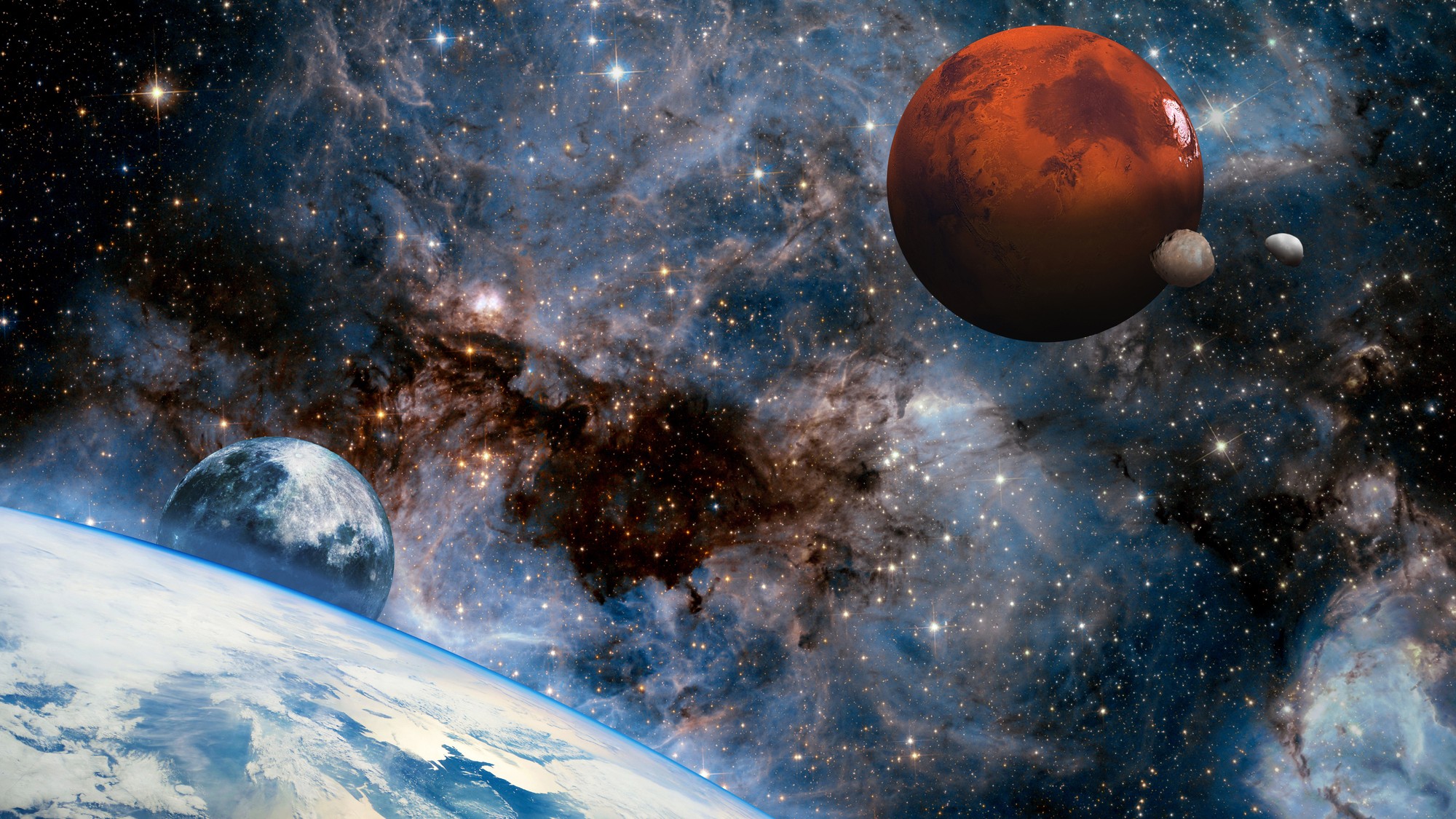 How Mars influences Earth’s climate
The explainer A pull in the right direction
-
 The ‘eclipse of the century’ is coming in 2027
Under the radar It will last for over 6 minutes
-
 NASA discovered ‘resilient’ microbes in its cleanrooms
Under the radar The bacteria could contaminate space
-
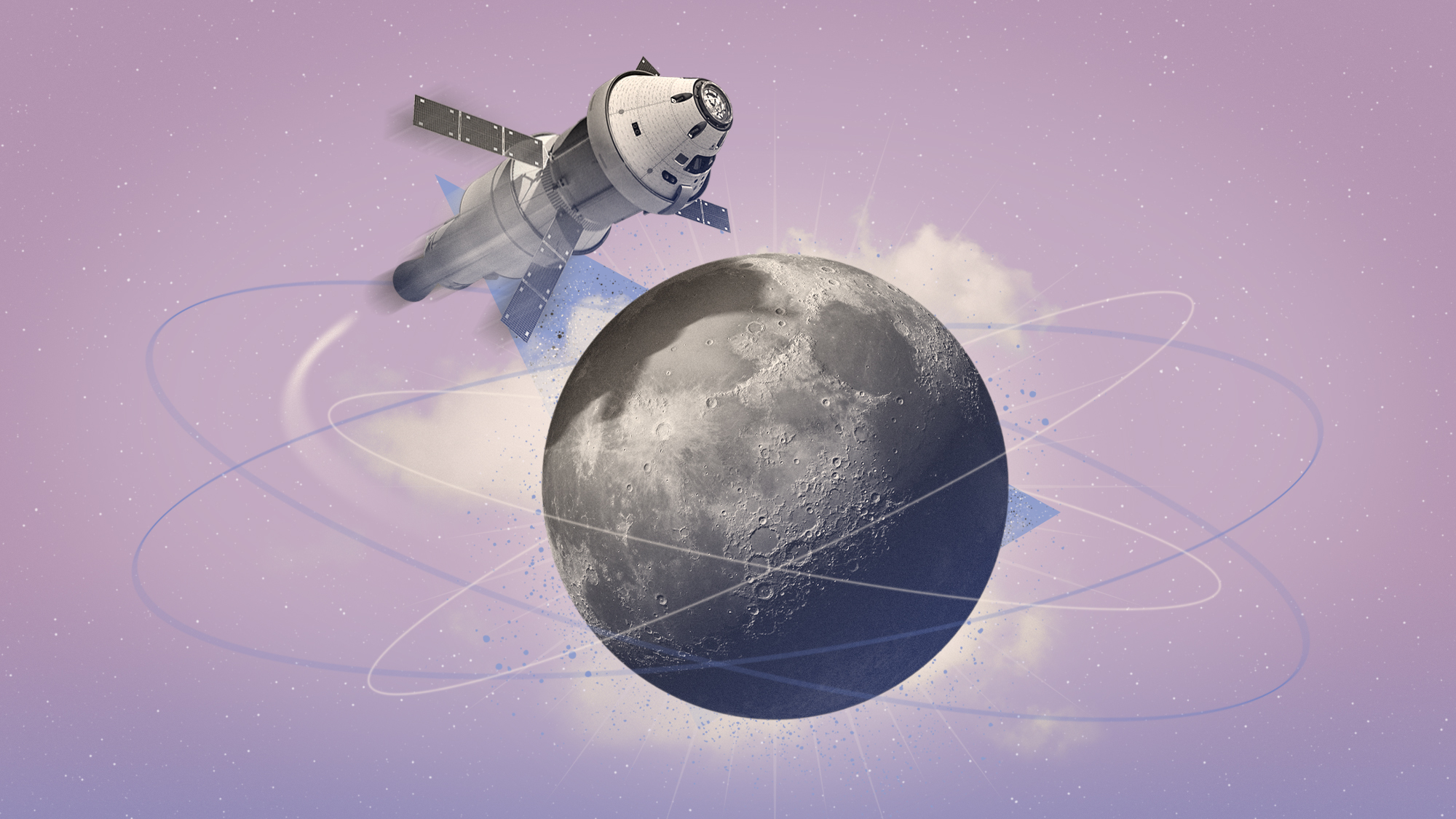 Artemis II: back to the Moon
The Explainer Four astronauts will soon be blasting off into deep space – the first to do so in half a century
-
 The mysterious origin of a lemon-shaped exoplanet
Under the radar It may be made from a former star
-
 The 5 biggest astronomy stories of 2025
In the spotlight From moons, to comets, to pop stars in orbit
-
 5 recent breakthroughs in biology
In depth From ancient bacteria, to modern cures, to future research


