Why is this government shutdown so consequential?
Federal employee layoffs could be in the thousands

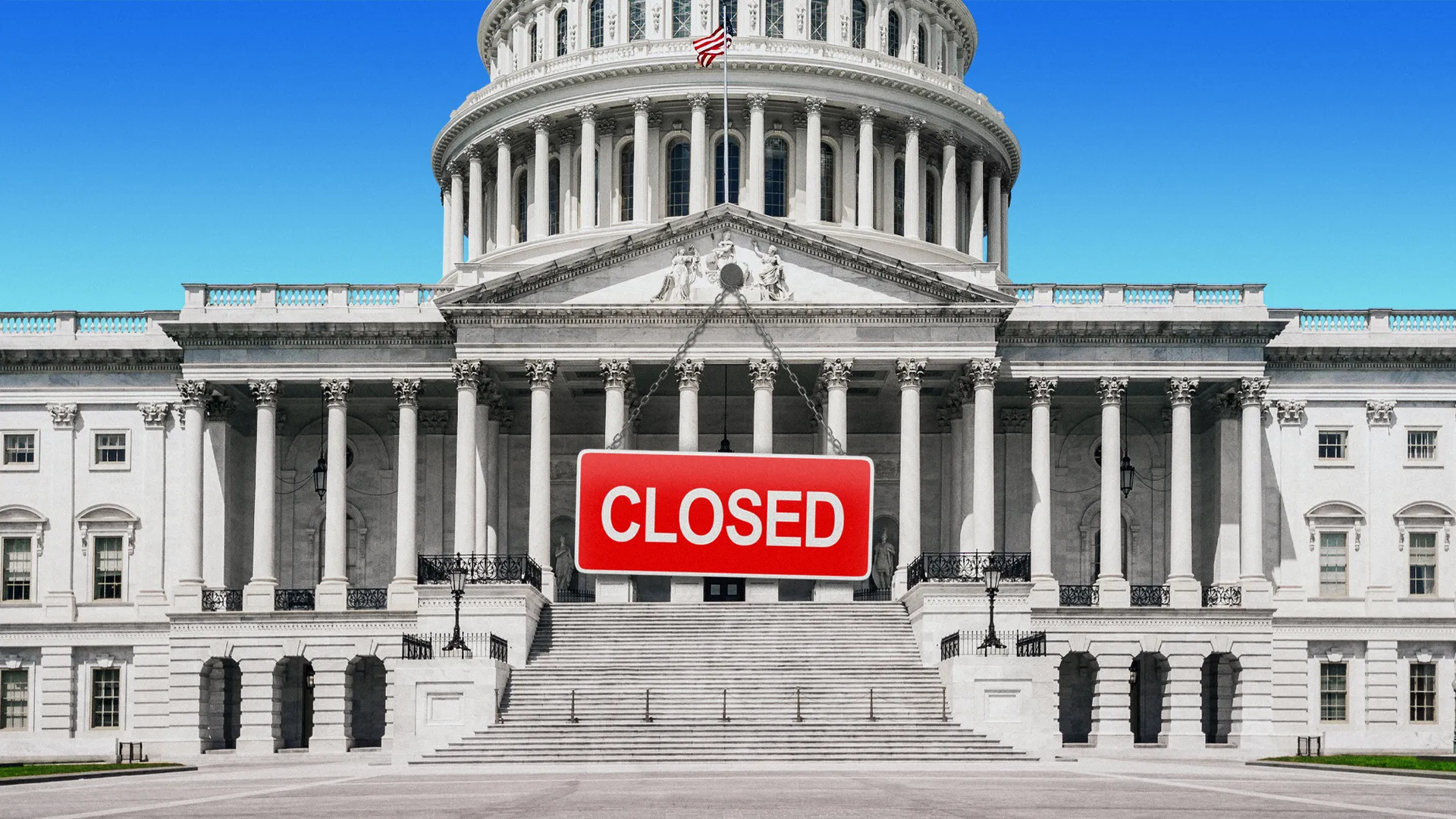
The U.S. federal government has shut down for the first time in six years, and while budget fights in Congress aren’t a rare occurrence, many political analysts say this shutdown could look drastically different from those that came before. In particular, President Donald Trump’s pledge to fire thousands of government employees, alongside continued fighting between Democrats and Republicans over Medicaid subsidies, could mean this shutdown has dire consequences.
What did the commentators say?
At the heart of this shutdown battle is a disagreement over funding Medicaid and Affordable Care Act insurance subsidies. Democrats are “focused on these enhanced subsidies from the Affordable Care Act that were enhanced during the pandemic,” said The Wall Street Journal’s flagship podcast, making it a sticking point of the Democrats’ negotiations. These subsidies are set to run out at the end of 2025, which could mean “tens of millions of Americans lose their health insurance starting in January because they can no longer afford to pay sky-high premiums,” former U.S. Secretary of Labor Robert Reich said on his Substack.
Article continues belowThe Week
Escape your echo chamber. Get the facts behind the news, plus analysis from multiple perspectives.

Sign up for The Week's Free Newsletters
From our morning news briefing to a weekly Good News Newsletter, get the best of The Week delivered directly to your inbox.
From our morning news briefing to a weekly Good News Newsletter, get the best of The Week delivered directly to your inbox.
Republicans have said Democrats want to shut down the government in order to provide insurance to undocumented immigrants. But this “claim is highly misleading,” said NBC News. The “Democratic bill would not change existing law barring people who are in the U.S. illegally from getting federal health care coverage.”
There is also the question of government workers themselves. Federal employees are normally furloughed during a shutdown and then go back to work when the shutdown ends. But the Trump administration “has asked agencies to look at places where they could reduce the size of the federal government during a shutdown,” said the Journal. This means they would “essentially fire people instead of just put people on furlough. That’s never happened.”
In a memo released by the Office of Management and Budget, agencies furloughing employees were directed to “consider whether or not you really need those roles and consider shrinking down your agency,” said CNBC. The Trump administration wants to keep only programs that are “in line with the president’s agenda,” even though there have “already been massive reductions in the federal workforce.”
What next?
It seems both sides are at a stalemate, though a “new NPR / PBS News / Marist poll shows that more Americans hold Republicans responsible for the impasse,” said NPR. This shutdown also “throws into question the operating status of sites like national parks and the Smithsonian Institution.” It is unclear how long the impasse may last. History shows that “multiweek shutdowns are relatively rare but have become more common in recent decades,” said NPR. The shutdown will likely extend until at least the weekend, given that the Senate is out of session until Friday.
