Alaska faces earth-shaking loss as seismic monitoring stations shutter
NOAA cuts have left the western seaboard without a crucial resource to measure, understand and predict tsunamis

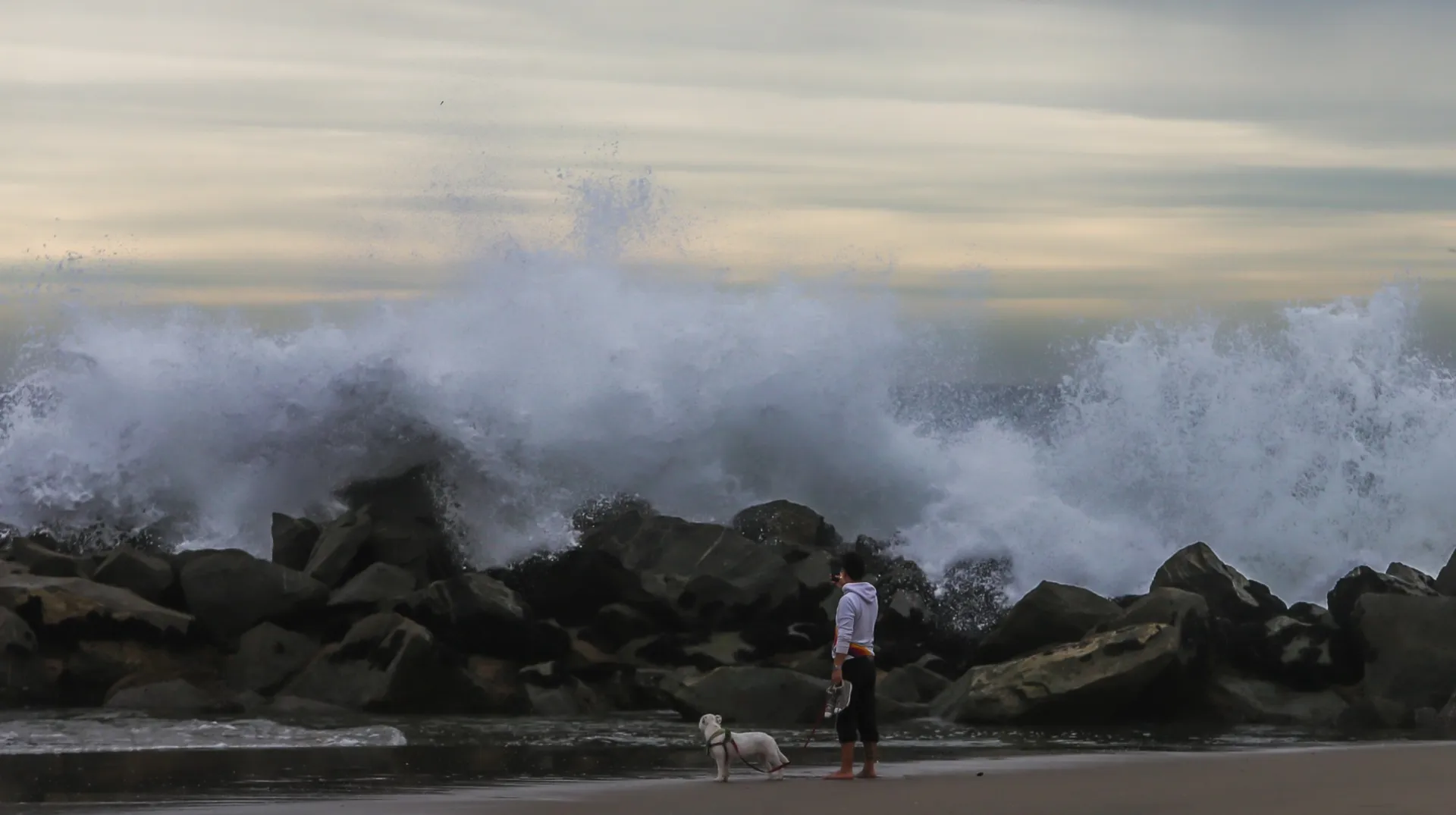
The west coast of the United States will be significantly more at risk from maritime earthquakes and tsunamis after this month. Nine seismic monitoring stations along the Alaskan coast are set to go dark in the coming days in a shutdown that will hamper scientists’ ability to track and measure potential natural disasters in the Pacific. Crucially, the closures — which follow hundreds of thousands of dollars in National Oceanic and Atmospheric Administration funding cuts — not only leave the Alaskan coast more in the dark about what could be headed ashore from the ocean depths, but also threaten the American mainland.
The public should be ‘concerned’
The stations, whose data helped researchers calculate the “magnitude and shape” of tremors along the Alaskan Subduction Zone, all relied on federal funding, which lapsed this year after the Trump administration “declined to renew,” said NBC News. The closures mean that Alaskan coastal communities may not only receive “delayed notice of an impending tsunami,” but other, more distant locations might receive a “less precise forecast” as well. The sites were maintained through a NOAA grant of $300,000 each year, which the Alaska Earthquake Center requested “through 2028, but it was denied.”
The Week
Escape your echo chamber. Get the facts behind the news, plus analysis from multiple perspectives.

Sign up for The Week's Free Newsletters
From our morning news briefing to a weekly Good News Newsletter, get the best of The Week delivered directly to your inbox.
From our morning news briefing to a weekly Good News Newsletter, get the best of The Week delivered directly to your inbox.
With the contract’s lapse, NOAA will “lose data from dozens and dozens of sites all around the state,” said Alaska Earthquake Center Director Mike West to APM. Perhaps even “more urgently,” the loss includes a “handful of sites out in the Aleutians and the Bering that have been there for decades specifically for this purpose.”
None of the sites slated for closure have ”substitute stations surrounding the ones that will go offline,” said KTUU. People should be “concerned” about anything that “degrades our earthquake and tsunami capabilities,” said West to the station.
‘California’s biggest tsunami threat’
While the closure of remote seismic monitoring stations in Alaska might not, at first glance, seem to affect the continental U.S., the loss of real-time oceanographic data could ultimately have dire consequences for the Pacific coast at large. While the cuts “don’t mean that a tsunami would go undetected” altogether, the stations being closed are among the only ones across the seismically active Aleutian Islands, “sometimes for hundreds of kilometers around,” said the San Francisco Chronicle.
Seismic measurement and warning systems are “critical for providing advanced tsunami warning along California’s coast,” said state geologist Jeremy Lancaster in a statement to the paper. And it is not just California. “The nation’s tsunami program began in 1946,” said West to APM, “after an earthquake here in Alaska killed 150 people in Hawaii.”
In a statement to KTTU, Alaska Sen. Lisa Murkowski’s (R) office said she “has been made aware and is actively reviewing next steps to ensure that Alaskans continue to have reliable, real-time seismic monitoring capacity.”

-
 Could smaller cars bring down vehicle prices?
Today’s Big Question Trump seems to think so, but experts aren’t so sure
-
 2025’s most notable new albums
The Week Recommends These were some of the finest releases of the past year
-
 Trump aims to take down ‘global mothership’ of climate science
IN THE SPOTLIGHT By moving to dismantle Colorado’s National Center for Atmospheric Research, the White House says it is targeting ‘climate alarmism’


-
Trump aims to take down ‘global mothership’ of climate science
IN THE SPOTLIGHT By moving to dismantle Colorado’s National Center for Atmospheric Research, the White House says it is targeting ‘climate alarmism’
-
 DOJ targets ‘disparate impact’ avenues of discrimination protection
IN THE SPOTLIGHT By focusing solely on ‘intentional discrimination,’ the Justice Department risks allowing more subtle forms of bias to proliferate
-
 Homeland Security Secretary Kristi Noem might not be long for Trumpland
IN THE SPOTLIGHT She has been one of the most visible and vocal architects of Trump’s anti-immigration efforts, even as her own star risks fading
-
 Constitutional rights are at the center of FBI agents’ lawsuit
In the Spotlight The agents were photographed kneeling during a racial justice protest
-
 The Trump administration says it deports dangerous criminals. ICE data tells a different story.
IN THE SPOTLIGHT Arrest data points to an inconvenient truth for the White House’s ongoing deportation agenda
-
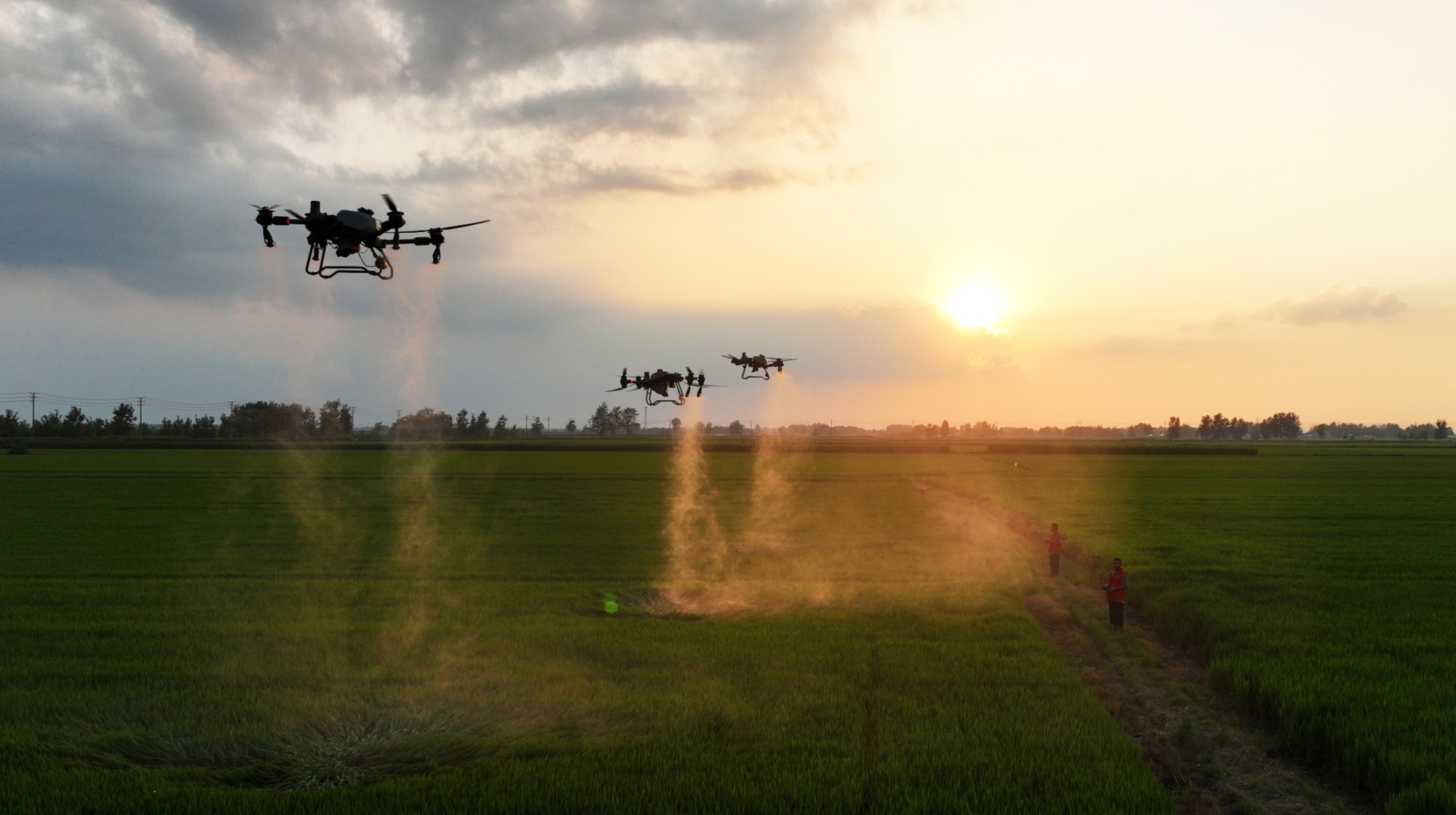 Looming drone ban has farmers and farm-state Republicans anxious
IN THE SPOTLIGHT As congressional China-hawks work to limit commercial drone sales from Beijing, a growing number of conservative lawmakers are sounding an agricultural alarm
-
 A crowded field of Democrats is filling up the California governor’s race
In the Spotlight Over a dozen Democrats have declared their candidacy
-
 ‘It’s ironic in so many ways’
Instant Opinion Opinion, comment and editorials of the day


