Trump tariff uncertainty casts a dark cloud over Black Friday
Retailers and shoppers alike are starting to reassess their seasonal prospects as the Trump administration’s efforts to upturn the global economy start hitting close to home

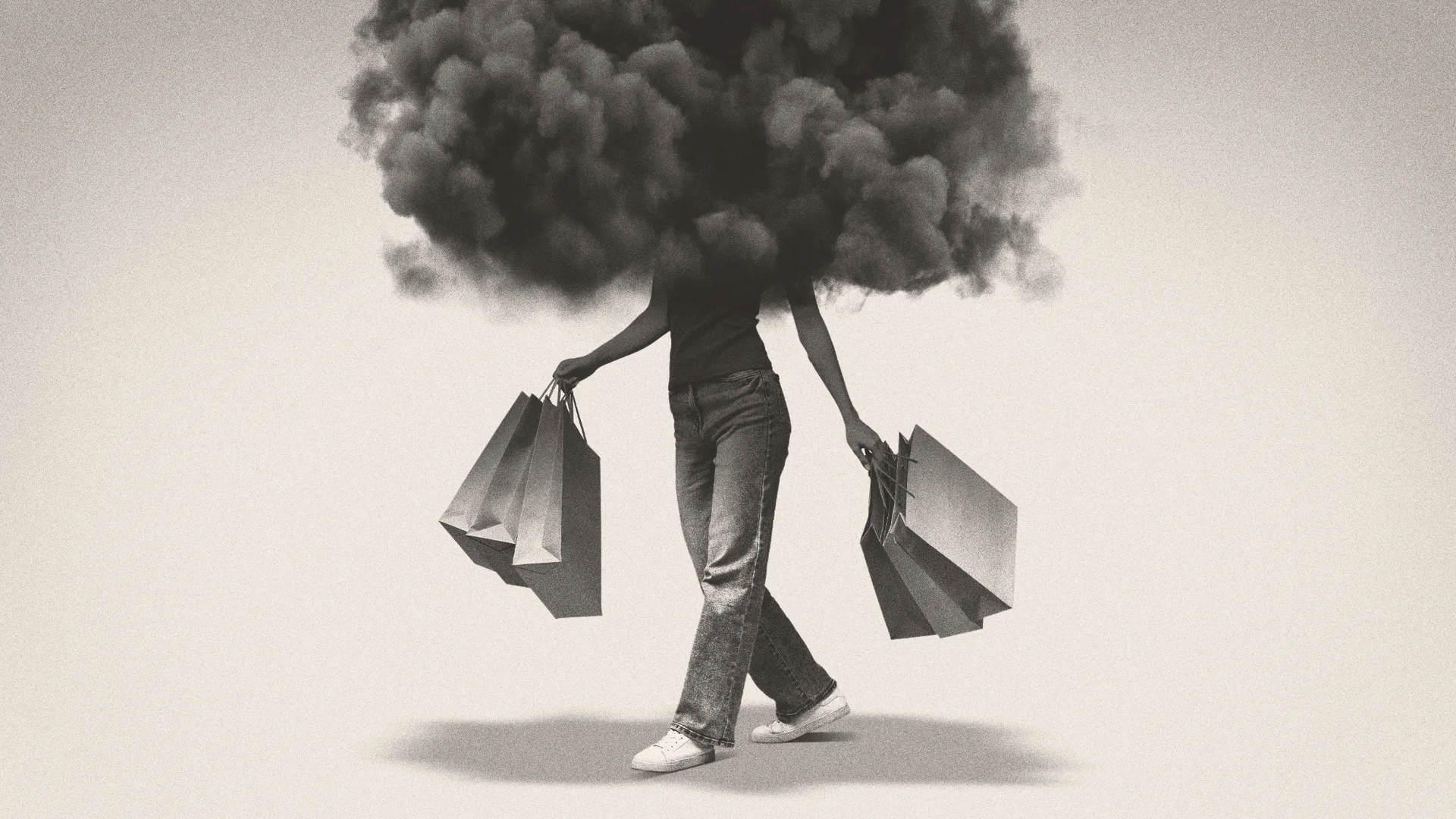
In just a matter of days, millions of people will rouse themselves from their tryptophanic stupors to brave the crowds in search of marked-down electronics and deals on home goods. But while Black Friday typically stands as an annual corrective for the retail industry — “black,” in this case, meaning “no longer in the red” — this year’s shopping extravaganza will be tempered by the same uncertainty that has permeated the global economy all year. As the Trump administration continues its agenda of massive global tariffs, a growing number of consumers and retailers alike are looking to Black Friday with a little more trepidation than in years past.
Big crowds and high prices
This is a “very strange year” for purchasing, with a “lot of challenge on the retail front,” said Sonia Lapinsky, leader of fashion retail at AlixPartners, to Bloomberg. After weathering the first round of tariffs this summer, companies “just don’t have the room” to offer deals as they have in years past.
The Week
Escape your echo chamber. Get the facts behind the news, plus analysis from multiple perspectives.

Sign up for The Week's Free Newsletters
From our morning news briefing to a weekly Good News Newsletter, get the best of The Week delivered directly to your inbox.
From our morning news briefing to a weekly Good News Newsletter, get the best of The Week delivered directly to your inbox.
Although tariffs have “always been a behind-the-scenes cost factor” for retailers, this year their impact is “far more visible,” said Kiplinger [The Week and Kiplinger are both owned by Future Plc]. Black Friday deals usually involve retailers “buying huge quantities in advance” at discounted prices, but tariffs have raised those costs, lowering profit margins. Add to that “lingering inflation and higher shipping and labor costs,” and stores are “opting for smaller markdowns, bundled offers or heavily restricted ‘doorbusters’” deals which, while less dramatic than deep price cuts, are designed to “protect profitability.”
‘More strategic’ shopping
Even before stores began ramping up their Black Friday promotions and deals, many consumers began shopping early this year to “make the most of sales events like Amazon Prime Day” and to “get ahead of tariff-induced price increases,” said CNBC. Shoppers are being “more strategic” in their purchasing plans, said RetailMeNot retail insights expert Stephanie Carls to the network. People are using “every tool that they can to protect those budgets.”
While big-box retailers have stocked up on inventory bought pre-tariffs to “keep their prices consistent and their margins padded” enough for the Black Friday rush, independent sellers have “shied away from blowout sales” to focus on more “transparent everyday pricing,” said New York magazine. But for as much as the shifting sands of President Donald Trump’s tariff policies may have cast a pall over this year’s Black Friday, the “real trouble” might be yet to come once stockpiled goods are “sold through and there’s a new year to plan for and the tariffs are likely unchanged.”

-
 ‘Poor time management isn’t just an inconvenience’
Instant Opinion Opinion, comment and editorials of the day
-
 Bad Bunny’s Super Bowl: A win for unity
Feature The global superstar's halftime show was a celebration for everyone to enjoy
-
 Book reviews: ‘Bonfire of the Murdochs’ and ‘The Typewriter and the Guillotine’
Feature New insights into the Murdoch family’s turmoil and a renowned journalist’s time in pre-World War II Paris


-
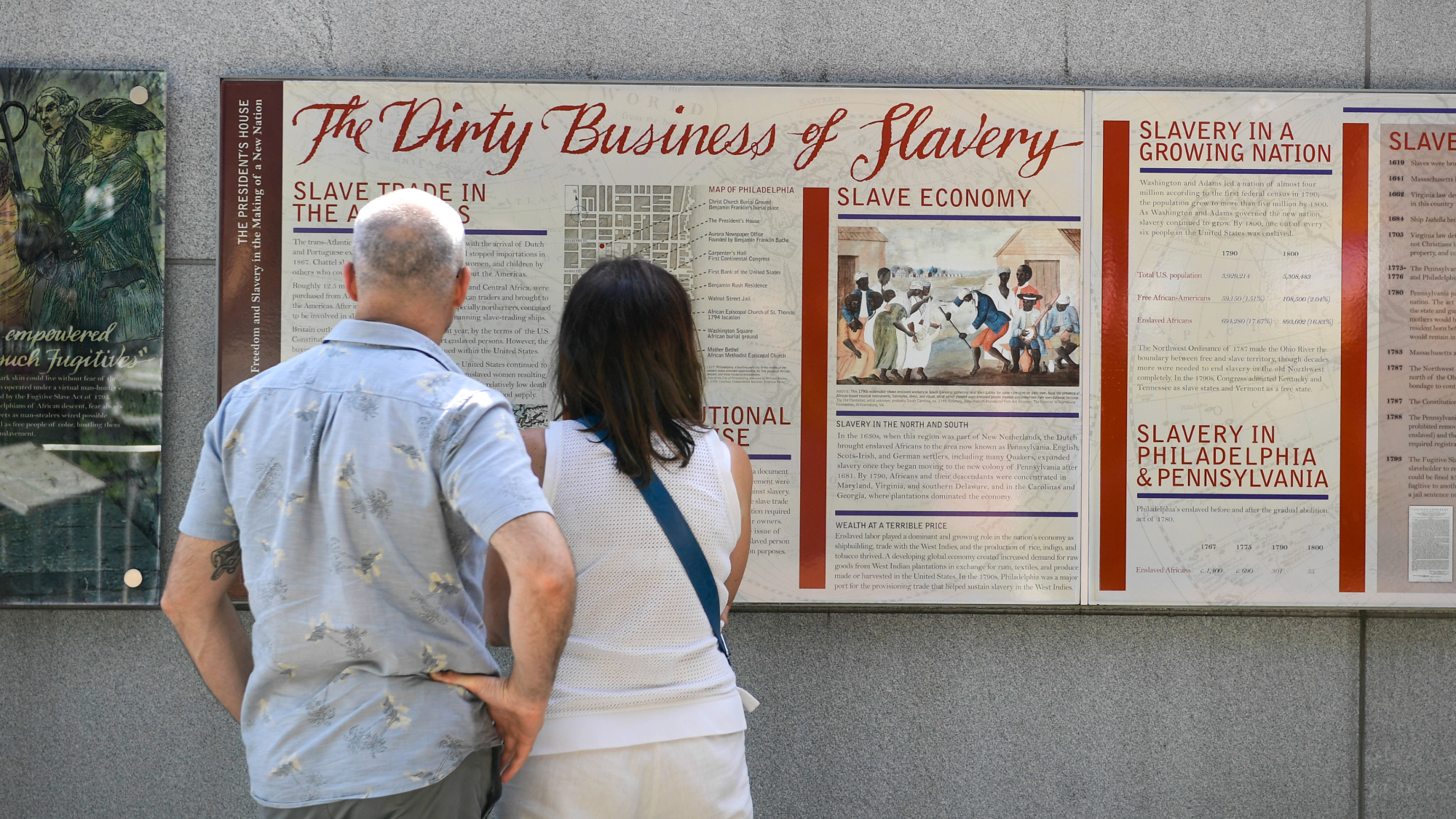 Judge orders Washington slavery exhibit restored
Speed Read The Trump administration took down displays about slavery at the President’s House Site in Philadelphia
-
 How are Democrats turning DOJ lemons into partisan lemonade?
TODAY’S BIG QUESTION As the Trump administration continues to try — and fail — at indicting its political enemies, Democratic lawmakers have begun seizing the moment for themselves
-
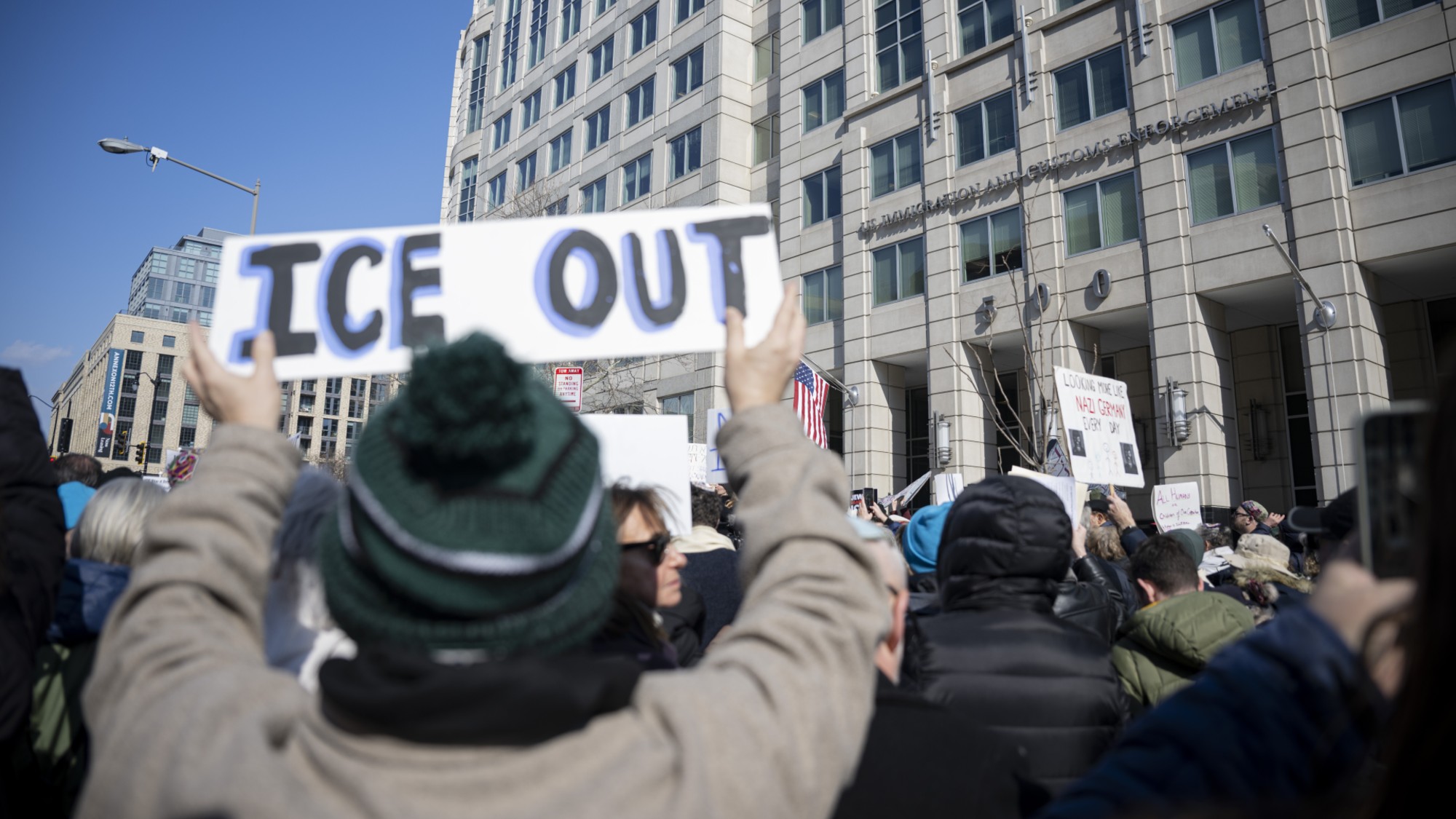 ICE eyes new targets post-Minnesota retreat
In the Spotlight Several cities are reportedly on ICE’s list for immigration crackdowns
-
 Judge blocks Hegseth from punishing Kelly over video
Speed Read Defense Secretary Pete Hegseth pushed for the senator to be demoted over a video in which he reminds military officials they should refuse illegal orders
-
 House votes to end Trump’s Canada tariffs
Speed Read Six Republicans joined with Democrats to repeal the president’s tariffs
-
 How did ‘wine moms’ become the face of anti-ICE protests?
Today’s Big Question Women lead the resistance to Trump’s deportations
-
 Judge blocks Trump suit for Michigan voter rolls
Speed Read A Trump-appointed federal judge rejected the administration’s demand for voters’ personal data
-
 Trump’s plan to ‘nationalize’ US elections
Talking Points States oversee voting. Will Republicans take over?


