Death toll from Southeast Asia storms tops 1,000
Catastrophic floods and landslides have struck Sri Lanka, Indonesia, Thailand and Malaysia


What happened
More than 1,000 people have died and hundreds remain missing after catastrophic floods and landslides from tropical storms struck Southeast Asia, according to the latest death tolls. Sri Lanka reported 355 deaths from mudslides and flooding triggered by Cyclone Ditwah. A separate cyclone, Senyar, caused at least 502 deaths in Indonesia, 170 in Thailand and three in Malaysia.
Who said what
Much of the Indonesian island of Sumatra remains “cut off due to blocked roads, while damage to telecommunications infrastructure has hampered communication,” Reuters said. Hat Yai, the biggest city in Thailand’s hard-hit Songkhla province, recorded 13 inches of rain on Friday, “its highest single-day tally in 300 years, amid days of heavy downpours.” Sri Lankan President Anura Kumara Dissanayake Sunday declared a state of emergency to manage what he called the “largest and most challenging natural disaster in our history,” and the first to strike the entire country.
“Persistent bouts of the La Niña climate pattern are at least partially to blame for the flooding across the region,” as unusually warm oceans increase the moisture in the air, The Washington Post said. But “rising global temperatures have also made the atmosphere more waterlogged, fueling wetter and more dangerous storms.” Southeast Asia is “one of the areas most vulnerable to climate change,” said CNN.
What next?
As emergency response crews work to clear roads and get aid to people stuck without food or shelter, a “separate tropical storm, Koto, is expected to hit western Vietnam,” the latest in the “near-continuous string of storms” that have lashed Southeast Asia since mid-September, the Post said.
The Week
Escape your echo chamber. Get the facts behind the news, plus analysis from multiple perspectives.

Sign up for The Week's Free Newsletters
From our morning news briefing to a weekly Good News Newsletter, get the best of The Week delivered directly to your inbox.
From our morning news briefing to a weekly Good News Newsletter, get the best of The Week delivered directly to your inbox.

-
 Moon dust has earthly elements thanks to a magnetic bridge
Under the radar The substances could help supply a lunar base
-
 World’s oldest rock art discovered in Indonesia
Under the Radar Ancient handprint on Sulawesi cave wall suggests complexity of thought, challenging long-held belief that human intelligence erupted in Europe
-
 Claude Code: the viral AI coding app making a splash in tech
The Explainer Engineers and noncoders alike are helping the app go viral


-
 The world is entering an ‘era of water bankruptcy’
The explainer Water might soon be more valuable than gold
-
 Climate change could lead to a reptile ‘sexpocalypse’
Under the radar The gender gap has hit the animal kingdom
-
 The former largest iceberg is turning blue. It’s a bad sign.
Under the radar It is quickly melting away
-
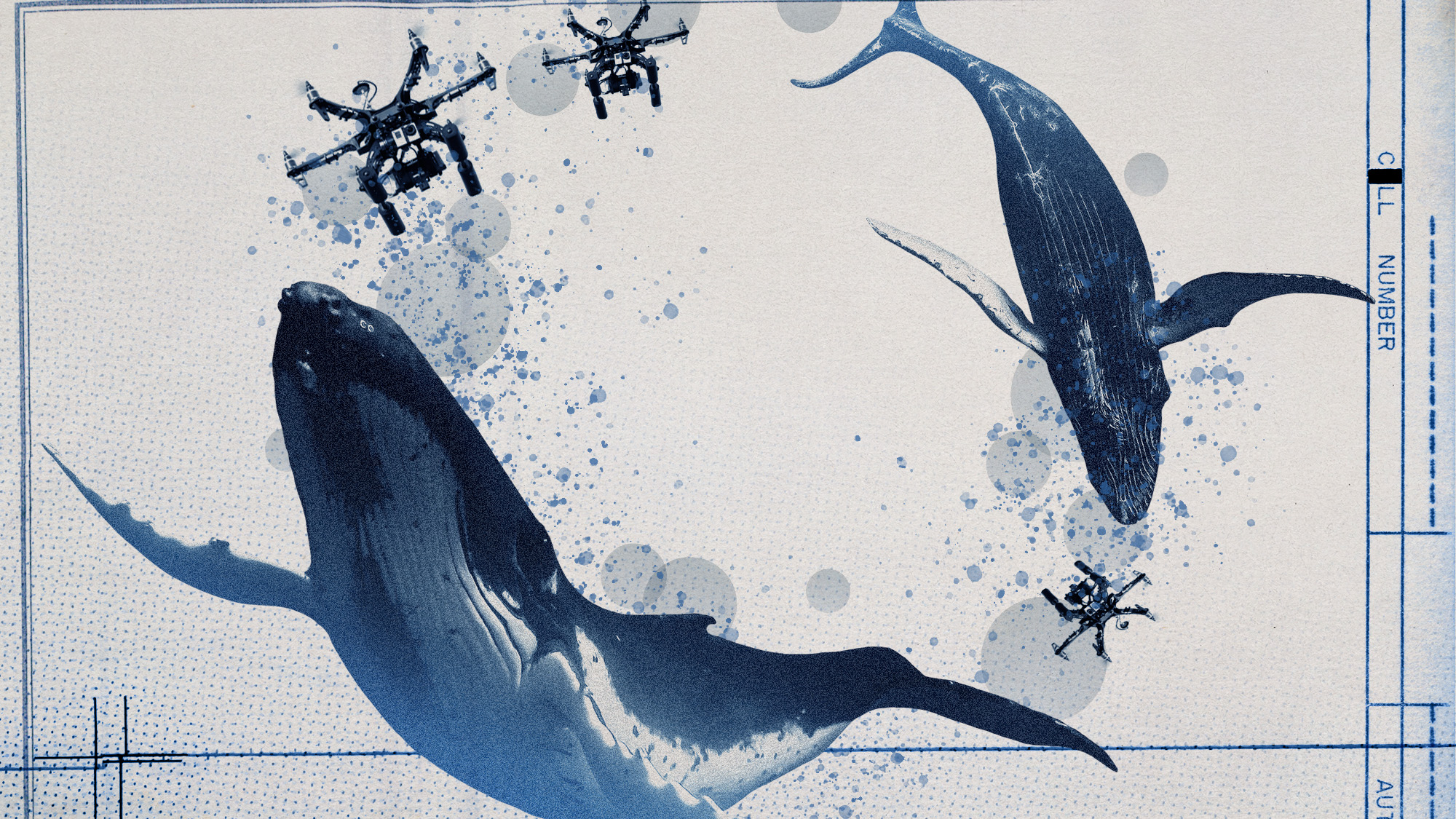 How drones detected a deadly threat to Arctic whales
Under the radar Monitoring the sea in the air
-
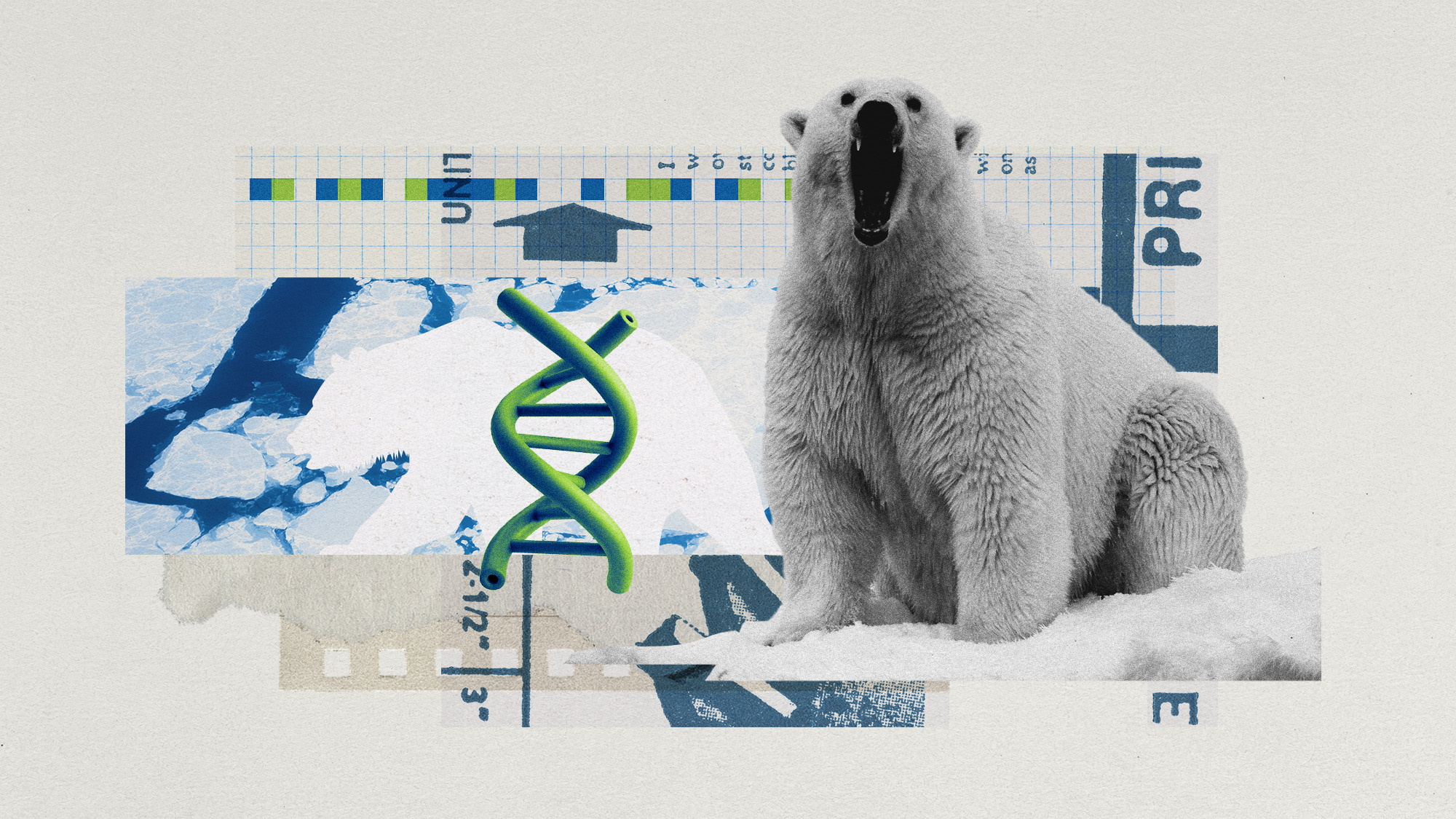 ‘Jumping genes’: how polar bears are rewiring their DNA to survive the warming Arctic
Under the radar The species is adapting to warmer temperatures
-
 Environment breakthroughs of 2025
In Depth Progress was made this year on carbon dioxide tracking, food waste upcycling, sodium batteries, microplastic monitoring and green concrete
-
 Crest falling: Mount Rainier and 4 other mountains are losing height
Under the radar Its peak elevation is approximately 20 feet lower than it once was
-
 Can for-profit geoengineering put a pause on climate change?
In the Spotlight Stardust Solutions wants to dim the sun. Scientists are worried.


