Grocery stores under fire for overcharging during cost-of-living crisis
A recent investigation has put the spotlight on Kroger, but it is not the only chain being pinpointed

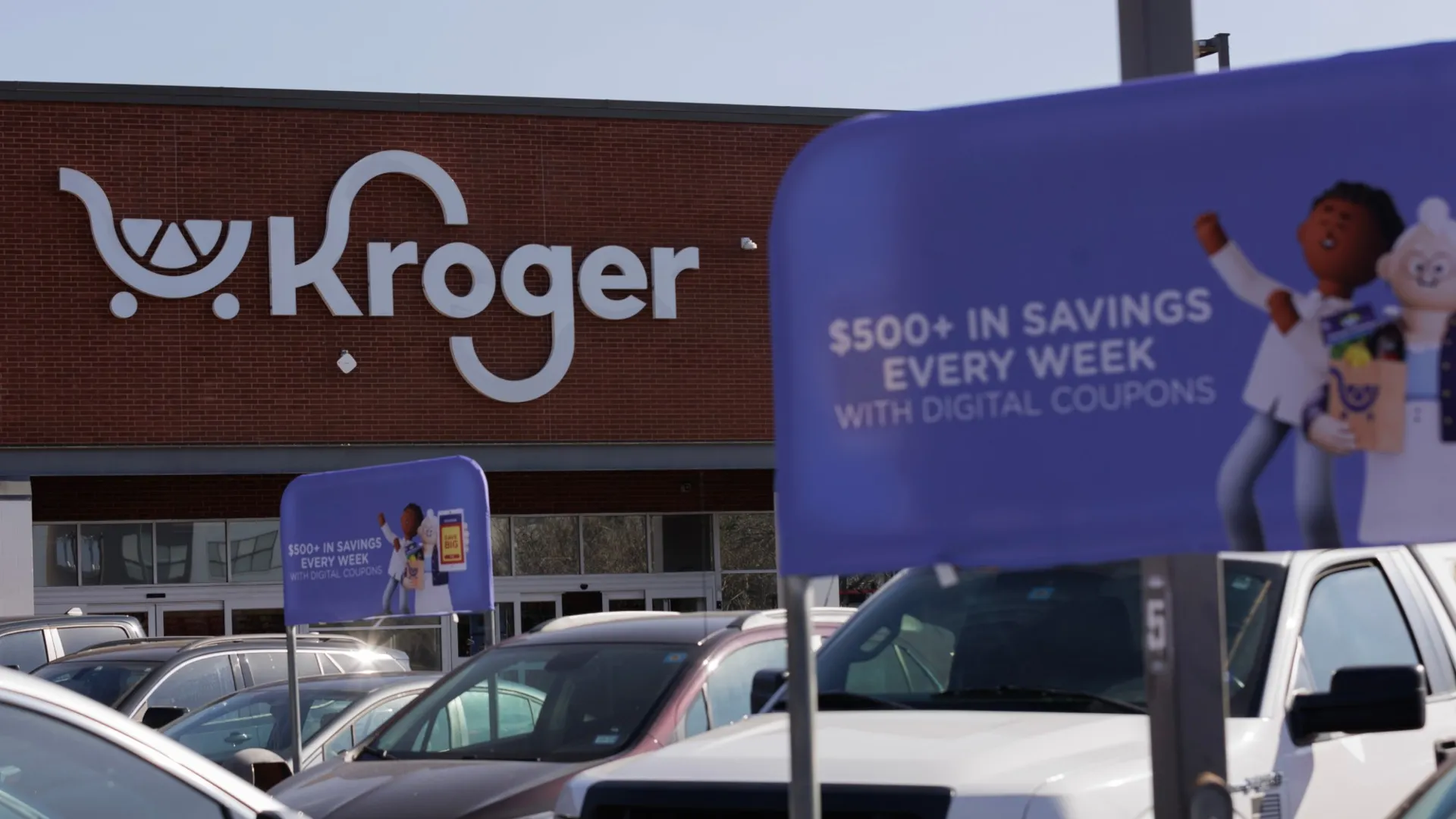
Consumers are already feeling the pinch at the checkout aisle with high prices. Now, a recent investigation into Kroger alleges the grocery giant has been overcharging customers. The investigation into Kroger stores in multiple states reveals a systemic problem, but the company is just one of several major grocery chains that have been caught up in this controversy.
What did the investigation find?
Shoppers investigating in 14 states allegedly "found expired sales labels that led to overcharges on more than 150 grocery items," said Consumer Reports. This suggests the "typical Kroger shopper ends up paying far more for what they think are discounted items — all during a time of inflation and economic uncertainty."
Article continues belowThe Week
Escape your echo chamber. Get the facts behind the news, plus analysis from multiple perspectives.

Sign up for The Week's Free Newsletters
From our morning news briefing to a weekly Good News Newsletter, get the best of The Week delivered directly to your inbox.
From our morning news briefing to a weekly Good News Newsletter, get the best of The Week delivered directly to your inbox.
Kroger has a "pattern of overcharging customers by frequently listing expired sale prices on the shelves and then ringing up the regular prices at checkout," said The Guardian. These sales issues were reportedly "producing average overcharges of about $1.70 per item, an 18% markup over the discount price."
It "really makes me feel bad because some of them are on fixed incomes and they're older. They're not going to pay attention," Joy Alexander, an employee at a Kroger-owned King Soopers store, told The Guardian. Customers "think that when they took it off the shelf, it was $2.50. They don't know that they're paying $3.75 for that one item." Kroger has denied these allegations, saying in a statement that the "characterization of widespread pricing concerns is patently false."
What other chains are involved?
Kroger is the latest in a series of grocers that have been scrutinized for similar overcharging allegations. In 2024, Albertsons, another major grocery chain, paid almost $400 million to "settle a lawsuit accusing it of overcharging customers at hundreds of Albertsons, Safeway and Vons supermarkets it owns across California," said CBS News.
Albertsons, similar to Kroger, was accused of "false advertising and unfair competition for allegedly charging items for more than their lowest advertised price," said CBS. Beyond the pricing issues, some "items sold by weight, such as produce, meats and baked goods, had less product in the package than was displayed on the package label." The grocer was required to "start a price accuracy program that will reimburse customers up to $5 if they are overcharged for grocery items," said The Desert Sun.
Roundy's, a subsidiary of Kroger, was also caught in its own overcharging case and agreed to pay "$1 million in a settlement over accused product weight and labeling violations," said WBAY-TV Green Bay. Investigators found over 1,200 products at Wisconsin Roundy's stores whose "net weight was 'unreasonably accurate,' or less than what customers paid for, by an average of $1.44 per item. One item was overpriced by $7.04."
"False advertising preys on consumers, who are already facing rising costs, and unfairly disadvantages companies that play by the rules," former Los Angeles County District Attorney George Gascón, who worked on the Albertsons case in California, said in a statement. This "kind of corporate conduct is especially egregious when it comes to essential groceries."
