Trump wants a weaker dollar, but economists aren’t so sure
A less-powerful dollar can make imports more expensive but also boost gold

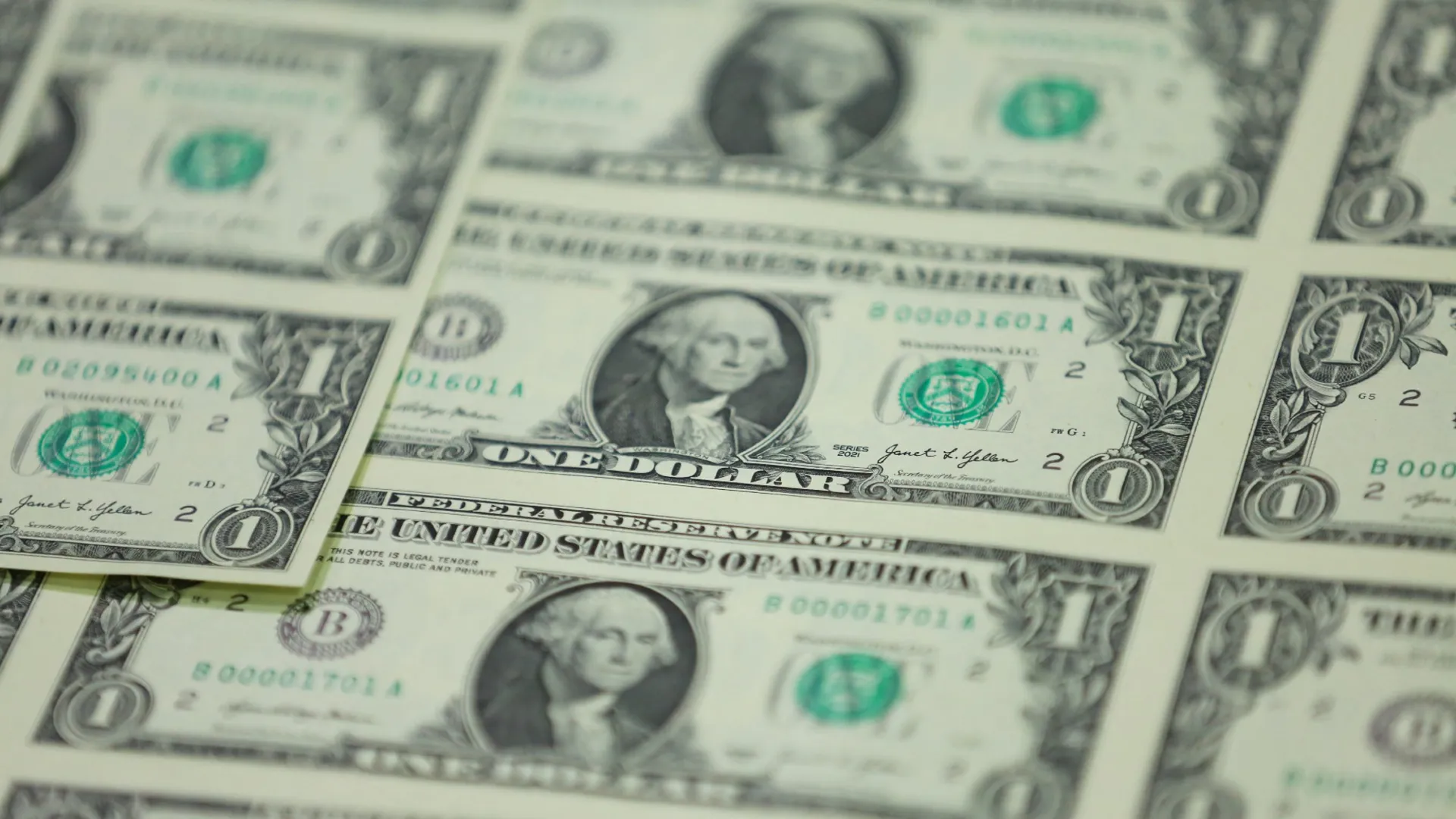
The value of the U.S. dollar has been steadily declining, but one person who doesn’t seem worried is President Donald Trump. On the contrary, he has been lauding the dollar’s fall as a positive change for the American economy. “I think it’s great,” Trump said to reporters last week. The president has repeatedly stated that a declining dollar is good for U.S. businesses. But with the dollar recently hitting a value of 95.56, a four-year low, some economists are sounding warning bells.
‘Interferes with his priorities’
A weaker dollar could provide “near-term benefits to the U.S. economy,” as a “lower currency also boosts exports, without the uncertainty and distortions that tariffs entail,” said the Journal. This occurs even as the weakening currency, combined with Trump’s sweeping tariffs, can “discourage imports.” Historically, Trump has also felt that the dollar “appreciated when the U.S. economy outperformed.”
The Week
Escape your echo chamber. Get the facts behind the news, plus analysis from multiple perspectives.

Sign up for The Week's Free Newsletters
From our morning news briefing to a weekly Good News Newsletter, get the best of The Week delivered directly to your inbox.
From our morning news briefing to a weekly Good News Newsletter, get the best of The Week delivered directly to your inbox.
Some seem to be fine with this economic stance, as trading floors are “abuzz with talk of the ‘debasement trade,’ a broad term for bets on the deterioration of American financial exceptionalism,” said The Economist. Another reason some economists aren’t panicking is that the dollar is “not actually all that weak,” as its real exchange rate (which accounts for inflation discrepancies between countries) was, in 2025, “13% above its average of the past 30 years.”
‘Signifies diminished confidence’
Trump may not have a problem with a weakened dollar, but most economists feel differently. A weak dollar is “not the weather, it’s the barometer,” said Steve Englander, a researcher at U.K. bank Standard Chartered, to CNBC. A weaker currency “reflects the fact that something’s going wrong, either domestically or internationally, and the currency weakness is sort of an escape valve.” Having a weak dollar also “signifies diminished confidence in the U.S. as foreign investors grow wary over the country’s fiscal outlook,” said CNBC.
Since the dollar has been doing well for a long time, many people might be “unable to process the scenario of a weakening dollar and a strong U.S. economy,” said Stephen Jen, founder of asset management group Eurizon SLJ Capital, to Bloomberg. If the dollar’s slide continues, it could mark the “beginning of the next leg lower in the dollar, and many may not be prepared for it.”
And the dollar’s fall has largely been Trump’s own doing, as it has been “driven, in part, by concerns about Trump’s unpredictable, and often unorthodox, approach to economic policy,” said NPR. Having a weaker dollar can also make items overseas more expensive, a “major issue given that the U.S. has traditionally imported more from abroad than it exports.” As the dollar continues to drop, alternative assets like gold, which has risen nearly 8% year to date, are “outperforming as a safe haven for investors,” said Fortune.

-
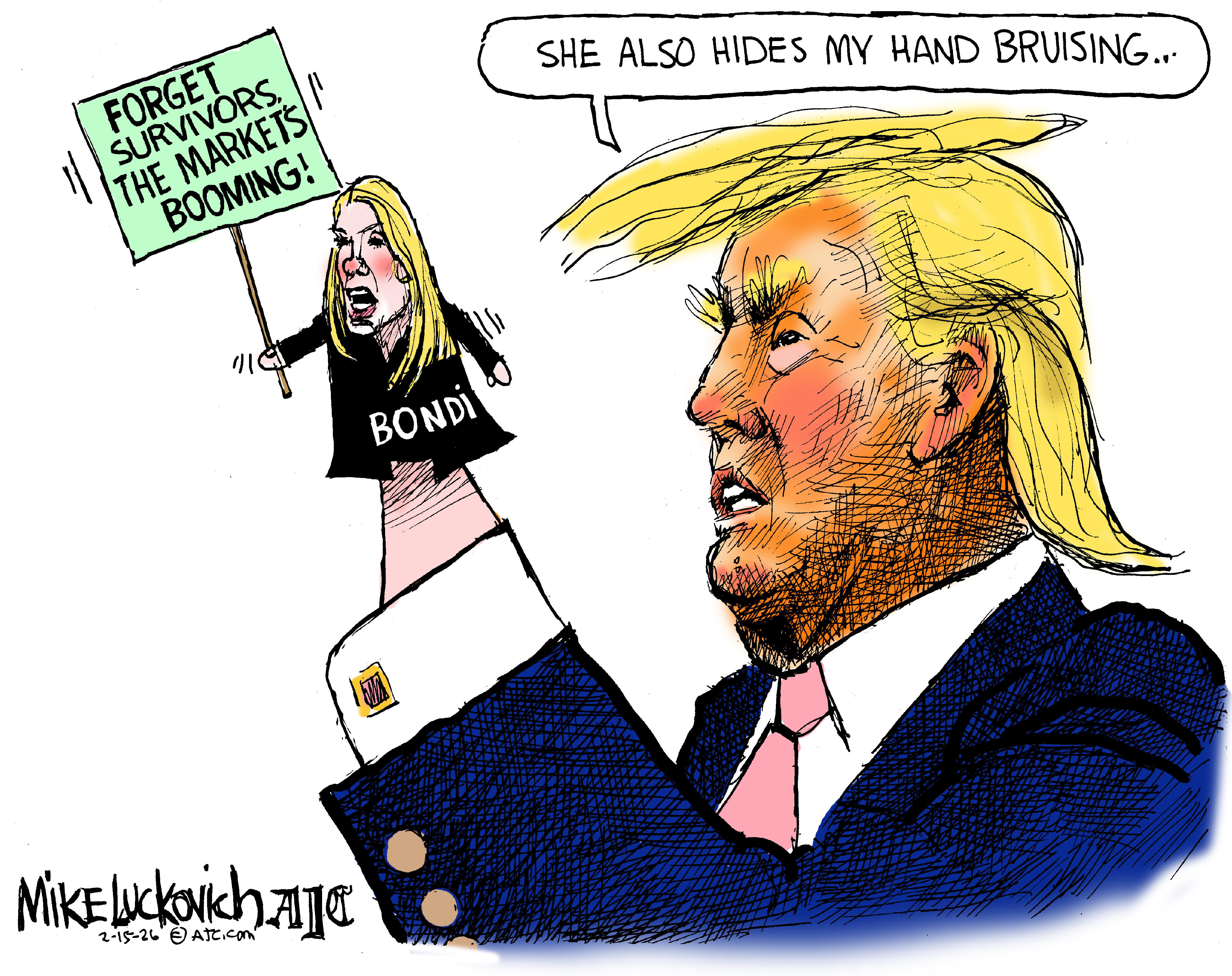 Political cartoons for February 15
Cartoons Sunday's political cartoons include political ventriloquism, Europe in the middle, and more
-
 The broken water companies failing England and Wales
Explainer With rising bills, deteriorating river health and a lack of investment, regulators face an uphill battle to stabilise the industry
-
 A thrilling foodie city in northern Japan
The Week Recommends The food scene here is ‘unspoilt’ and ‘fun’


-
 Currencies: Why Trump wants a weak dollar
Feature The dollar has fallen 12% since Trump took office
-
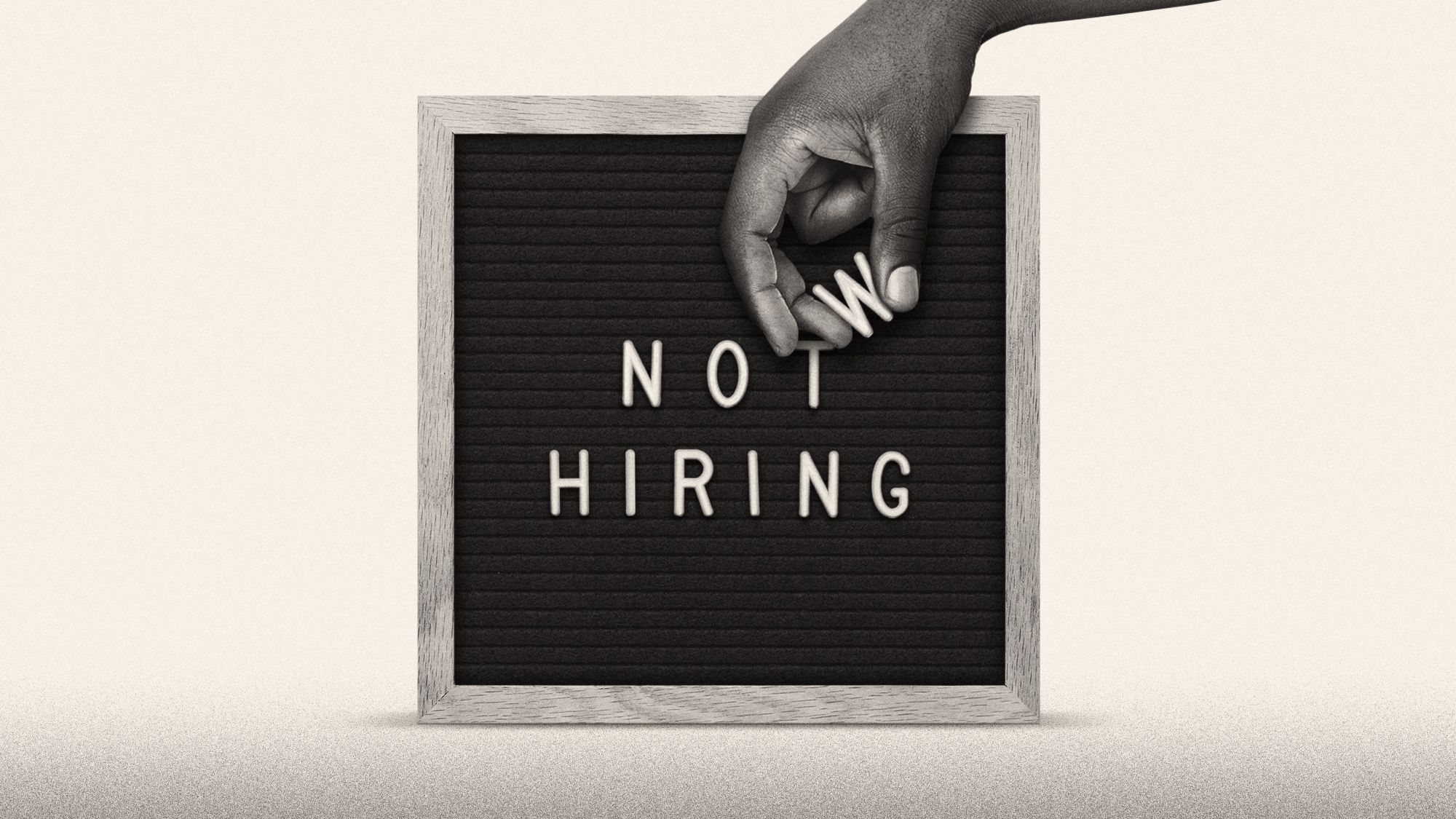 Is the US in a hiring recession?
Today's Big Question The economy is growing. Job openings are not.
-
 TikTok: New owners, same risks
Feature What are Larry Ellison’s plans for TikTok US?
-
 Leadership: A conspicuous silence from CEOs
Feature CEOs were more vocal during Trump’s first term
-
 The end for central bank independence?
The Explainer Trump’s war on the US Federal Reserve comes at a moment of global weakening in central bank authority
-
 Can Trump make single-family homes affordable by banning big investors?
Talking Points Wall Street takes the blame
-
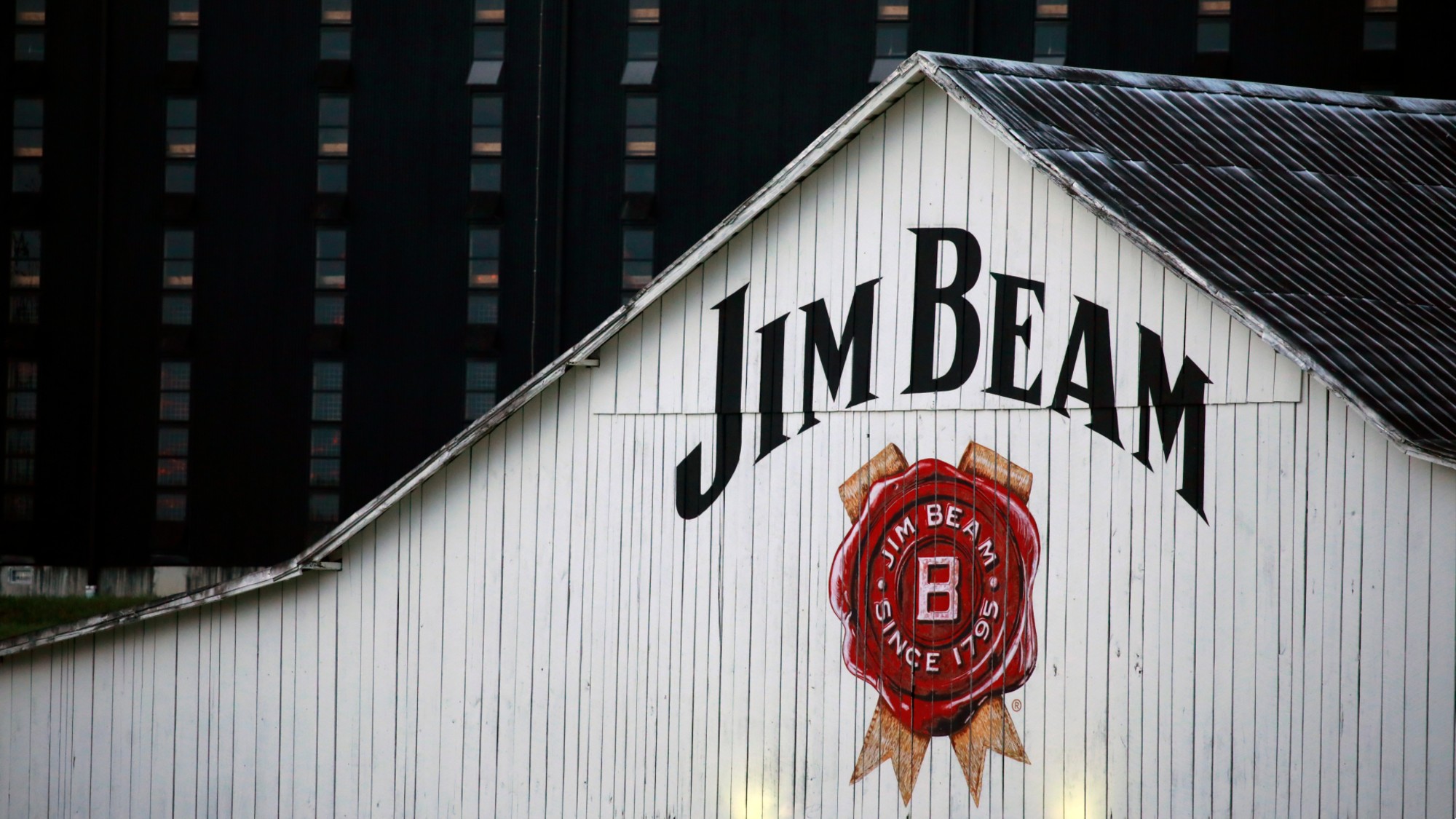 Tariffs have American whiskey distillers on the rocks
In the Spotlight Jim Beam is the latest brand to feel the pain
-
 The longevity economy booms as people live longer
The Explainer The sector is projected to reach $27 trillion by 2030


